When an architect decides that standard geometry is too mundane, they turn to mimetic architecture—buildings designed to look like objects entirely unrelated to habitation. From oversized footwear to grounded flying saucers, these novelty homes transform rural highways and quiet suburbs into surrealist landscapes.
The Haines Shoe House
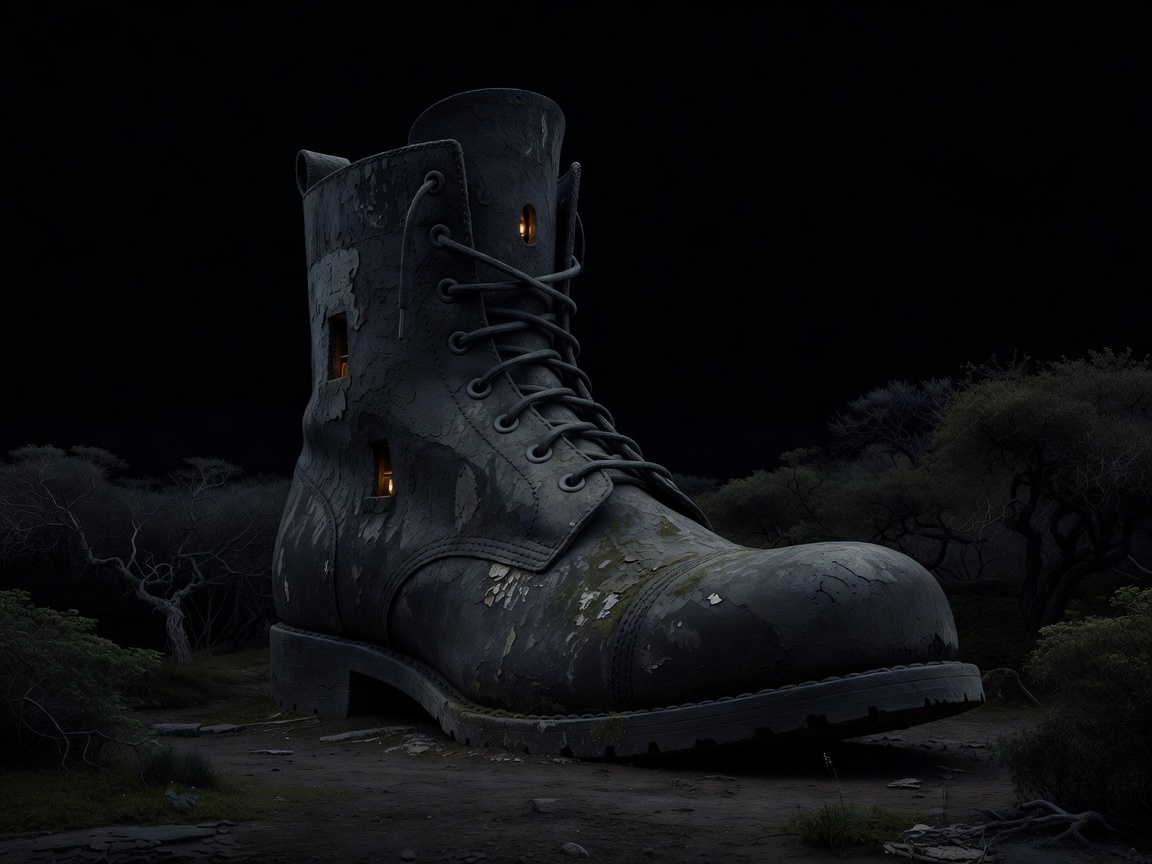
Built in 1948 by a flamboyant shoe salesman, this Pennsylvania icon was originally an advertising stunt that doubled as a guest house. It features a living room in the toe, a kitchen in the heel, and bedrooms extending up into the ankle. The absurdity of the exterior masks surprisingly practical, albeit awkward, interior spaces where bespoke curved furniture was required to fit the leather-inspired contours of the walls.
The Futuro Houses
In the late 1960s, Finnish architect Matti Suuronen designed the Futuro House, a prefabricated fiberglass structure shaped exactly like a classic flying saucer. While originally intended as a ski cabin that could be airlifted by helicopter, fewer than 100 were ever built. Today, the surviving units look delightfully retro-futuristic. Their round hatches and oval windows demand custom-fitted, built-in furniture, turning the residents into pseudo-astronauts living in a state of suspended sci-fi animation.
Defying Basic Logic
Living in a novelty home comes with unique burdens. Finding replacement parts for a house shaped like a beagle (as seen at the Dog Bark Park Inn) or a massive teapot is an exercise in custom fabrication. Furthermore, the tourist attention is relentless. Homeowners must constantly navigate the tension between maintaining their private domestic lives and acting as impromptu tour guides for curious road-trippers who simply cannot fathom why someone would choose to sleep inside a giant mushroom.